
The lymphatic system quietly keeps your body balanced, but most people only notice it when lymph nodes swell or fatigue sets in.
Poor movement, dehydration, inflammation, and tight clothing can slow lymph flow and leave waste trapped in tissues.
Fortunately, there are safe, practical ways to support lymphatic circulation naturally—simple breathing, movement, hydration, and gentle massage (no fancy equipment required).
Read on and you’ll learn how the lymphatic system works, which daily habits help or harm it, hands-on techniques like dry brushing and lymphatic massage, and when to seek professional care.
What is the lymphatic system
Lymphatic system anatomy and organs
The lymphatic system is a network of vessels, organs, and tissues that moves lymph fluid and supports immune function.
The system includes lymph nodes, lymphatic vessels, the spleen, thymus gland, tonsils, the thoracic duct, and lymphatic capillaries.
Lymph nodes filter lymph and store lymphocytes. There are roughly 600–700 lymph nodes in the body. You may notice swollen lymph nodes during infection; learn how to identify lymph nodes safely.
The spleen filters blood and helps remove old blood cells. The thymus gland trains T cells, mainly during childhood.
Tonsils trap inhaled or swallowed pathogens.
Lymphatic capillaries absorb interstitial fluid and begin lymph flow. The thoracic duct collects most body lymph and drains into the venous system.
Lymphatic system anatomy ties structure to function. The lymphatic vessels network and thoracic duct function support fluid balance and immune surveillance.
Always consult a qualified healthcare professional for medical advice specific to your situation.
How lymph circulates through the body
The lymphatic system moves lymph without a central pump. Lymphatic capillaries collect interstitial fluid from tissues.
Valved lymphatic vessels then channel fluid toward larger ducts.
Skeletal muscle contractions squeeze vessels and propel lymph. Deep diaphragmatic breathing shifts pressure in the chest.
That pressure helps draw lymph into the thoracic duct and toward the subclavian veins.
Larger lymphatic vessels contain smooth muscle that can contract rhythmically. One-way valves prevent backflow and maintain forward movement.
About 600 to 700 lymph nodes filter lymph as it passes.
Lymph flow may deliver several liters of fluid to the circulation each day. Movement and breathing can increase flow rates. Some studies suggest gentle exercise and deep breathing assist lymphatic circulation.
Not medical advice; content for educational purposes. Always consult a qualified healthcare professional for medical advice specific to your situation.
Main functions of the lymphatic system
The lymphatic system is a network of vessels, organs, and tissues that transports lymph fluid. It supports immune activity and helps clear bodily waste.
The system filters pathogens in lymph nodes and the spleen. Lymph nodes house lymphocytes, which identify and respond to foreign cells.
The network removes cellular debris and some toxins. The body contains about 600 to 700 lymph nodes that aid this process.
The system maintains fluid balance by returning excess interstitial fluid to the bloodstream. The thoracic duct carries a large share of that return to circulation.
Intestinal lymphatic capillaries absorb dietary fats and transport them as chyle. That route moves fats and some proteins into the blood.
Disruptions can cause lymphedema or swollen lymph nodes. Evidence varies on long-term outcomes, and effects can differ between individuals.
Always consult a qualified healthcare professional for medical advice specific to your situation. Not medical advice; content for educational purposes.
Stay active to promote lymphatic circulation
The lymphatic system moves lymph without a central pump. Muscle contractions, joint motion, and breathing push lymph through lymphatic vessels toward the heart.
Regular movement can increase lymph flow. How much activity does your body actually need?
Brisk walking for 30 minutes most days may boost muscle-driven pumping. Aiming for about 10,000 steps daily helps squeeze lymph fluid through vessels that lack a heart-like pump.
Swimming for 20–30 minutes, three times per week, can use hydrostatic pressure to reduce limb swelling and support lymphatic circulation. Water provides natural compression that moves lymph effectively.
Short, frequent activity breaks help desk-bound individuals. Heel raises, ankle pumps, or standing marches for two to three minutes every hour keep lymph moving through capillaries and toward lymph nodes.
Rebounding exercises on a mini-trampoline create gentle changes in gravity that can open lymphatic valves. Sessions of five to ten minutes at low intensity may improve lymphatic drainage for some people, according to available research.
Combine movement with slow, deep breaths to engage the thoracic duct and central lymph pathways. Light resistance training can further squeeze lymph through vessels by increasing muscle tone around lymphatic channels.
People with lymphedema, recent surgery, or swollen lymph nodes should seek personalized guidance before starting new exercise routines. Some activities may require modification under professional care.
Always consult a qualified healthcare professional for medical advice specific to your situation. Not medical advice; content for educational purposes only.
Practice deep breathing for lymphatic drainage
Diaphragmatic breathing uses the diaphragm to move air and create pressure shifts. These shifts may pump the largest lymphatic pathway, the thoracic duct pump, and help lymph flow through lymphatic vessels.
Breathing changes intrathoracic and intra-abdominal pressure. Lymph in lymphatic capillaries and larger vessels moves toward central nodes.
Some studies suggest slow, deep breaths increase lymphatic circulation and support lymphatic system function.
Try a focused 5–10 minute session to support lymphatic drainage:
- Sit upright or lie on your back with knees bent.
- Place one hand on the chest and one on the belly.
- Inhale through the nose for four seconds. Let the belly rise more than the chest.
- Pause for one second with gentle hold.
- Exhale through the mouth for five seconds. Feel the belly fall.
- Repeat this cycle for five to ten minutes.
Aim for six to eight full cycles per minute during sessions. This breathing motion pumps the largest lymphatic pathways in your body.
Gentle movement after breathing, such as walking for five minutes, may aid lymph flow from the limbs to central nodes.
Evidence varies and long-term effects remain unclear. People with recent surgery, active infections, or heart and lung conditions may need medical clearance before starting breathing routines.
Always consult a qualified healthcare professional for medical advice specific to your situation. Not medical advice; content for educational purposes.
Hydrate properly to support lymph flow
Lymph is a clear fluid that carries waste and immune cells through the lymphatic system. Adequate fluid levels can help maintain lymphatic circulation and lymph flow.
A common guideline uses body weight. Aim for about half your body weight in ounces of pure water daily, or roughly 2–4 liters for most adults.
For example, a 70 kg person would require roughly 2.1–2.45 liters of water daily. Active people or those in hot climates may need more.
Space intake across the day. Small, regular sips support steady lymph movement through lymphatic vessels and across lymph nodes.
Drink more around physical activity to match sweat losses.
| Hydration Strategy | Daily Target | How It Helps |
|---|---|---|
| Daily water intake | 30–35 mL/kg body weight | Maintains lymph fluid volume and flow |
| Add sea salt | 1/8 teaspoon per liter | Supplies minerals for electrolyte balance |
| Fresh lemon juice | Half a lemon per glass | Adds potassium and vitamin C |
Track intake with a reusable bottle. Combine hydration with movement and deep breathing to boost lymphatic circulation.
Some people add a small pinch (about 1/8 teaspoon) of unrefined sea salt per liter to help mineral balance.
Fresh lemon juice may improve flavor and increase fluid intake. Lemon adds small amounts of potassium and vitamin C, which might support overall fluid balance.
Evidence on direct effects to lymphatic function remains limited.
Safety note: Always consult a qualified healthcare professional for medical advice specific to personal needs. Not medical advice; content for educational purposes.
Eat anti-inflammatory foods for lymphatic health
A nutrient-dense diet may support lymphatic system function and lymph flow. Foods rich in antioxidants and omega-3 fats can reduce inflammation near lymphatic vessels.
What foods actually make a difference for your lymph health?
- Anti-inflammatory leafy greens — Spinach, kale, arugula, and dandelion greens provide vitamins A, C, and K plus chlorophyll and magnesium.
- Cruciferous vegetables daily — Broccoli, Brussels sprouts, cabbage, garlic, and onions supply sulfur compounds linked to detox pathways.
- Berries and citrus fruits — Blueberries, raspberries, strawberries, lemons, and oranges supply vitamin C and flavonoids that may protect lymphatic tissue.
- Fatty fish servings — Salmon, mackerel, walnuts, and chia seeds offer anti-inflammatory omega-3s. Dietary guidelines often recommend two 3.5-ounce servings weekly.
- Olive oil, nuts, and seeds provide monounsaturated fats and vitamin E for cell membrane health.
- Turmeric, ginger, and garlic contain anti-inflammatory compounds. Some studies suggest modest benefits.
A fiber intake around 25 to 30 grams daily associates with better gut health that may aid lymphatic clearance.
Stable hydration helps lymph flow and lymphatic circulation.
Limiting processed foods, excess sodium, refined sugars, artificial sweeteners, and alcohol may support lymphatic circulation. These substances can build up and hinder waste filtration in your lymphatic system.
Some studies link higher omega-3 intake with lower markers of inflammation, though evidence varies. People with lymphedema or swollen lymph nodes may wish to consult a clinician.
Major dietary adjustments may require clinical oversight.
Always consult a qualified healthcare professional for medical advice specific to your situation.
Use lymphatic massage and dry brushing techniques
What is lymphatic drainage massage
Lymphatic drainage massage is a gentle manual technique. It encourages lymph flow along lymphatic vessels toward the heart.
Practitioners use light, rhythmic strokes, circular motions, and C-strokes near lymph nodes. Pressure stays superficial, often below 40 mmHg, using a light pressure technique.
Strokes follow pathways over node clusters in the neck, axilla, and groin. Sessions commonly last 30 to 60 minutes and may be provided by trained therapists.
Motion can support lymphatic system function and may reduce localized swelling such as mild lymphedema. Some studies suggest benefit for post-surgical swelling and chronic lymphedema management.
Evidence varies and long-term effects remain unclear. People with infection, blood clots, or active cancer may need medical clearance before massage.
Always consult a qualified healthcare professional for medical advice specific to your situation. Not medical advice; content for educational purposes.
How to dry brush for lymphatic support
Dry brushing uses a natural-bristle brush on dry skin before showering to encourage lymph flow. Use gentle, long strokes from extremities toward the heart and major lymph node clusters.
Begin at the feet and hands. Brush upward along legs and arms with light pressure.
Use 5–10 strokes per zone. On the chest and back, use soft circular strokes toward the underarm and groin nodes.
Hold the brush at a slight angle. Skin may redden mildly without pain. Keep sessions brief.
A common routine runs 3–5 minutes, three times weekly. Some people pair brushing with light activity to support lymphatic circulation and improve lymph flow.
Actually, you don’t need oils or lotions during this technique since it works on the skin surface.
Avoid broken skin, rashes, active infections, or inflamed areas. Individuals with lymphedema or vascular conditions may need medical clearance before trying dry brushing.
Always consult a qualified healthcare professional for medical advice specific to your situation.
Is lymphatic massage effective and safe
Lymphatic massage refers to gentle, light-pressure techniques aimed at moving lymph toward major node clusters. Some studies suggest manual lymphatic drainage can reduce limb volume in lymphedema patients by modest amounts, often reported around 10–30% when combined with compression therapy.
Evidence varies across conditions. Trials show benefit for post-surgical swelling and chronic lymphedema in selected patients.
Long-term effects remain unclear and results can vary from person to person.
- When to seek professional care: persistent swelling, diagnosed lymphedema, recent cancer surgery, or signs of infection.
- Contraindications: active infection, untreated deep vein thrombosis, unstable heart failure, or acute inflammation.
- Self-massage guidance: use light pressure, stroke toward regional nodes for 5–10 minutes daily while breathing deeply and moving the limb gently.
Always consult a qualified healthcare professional for medical advice specific to your situation. Not medical advice; content for educational purposes.
Try contrast hydrotherapy and detox baths
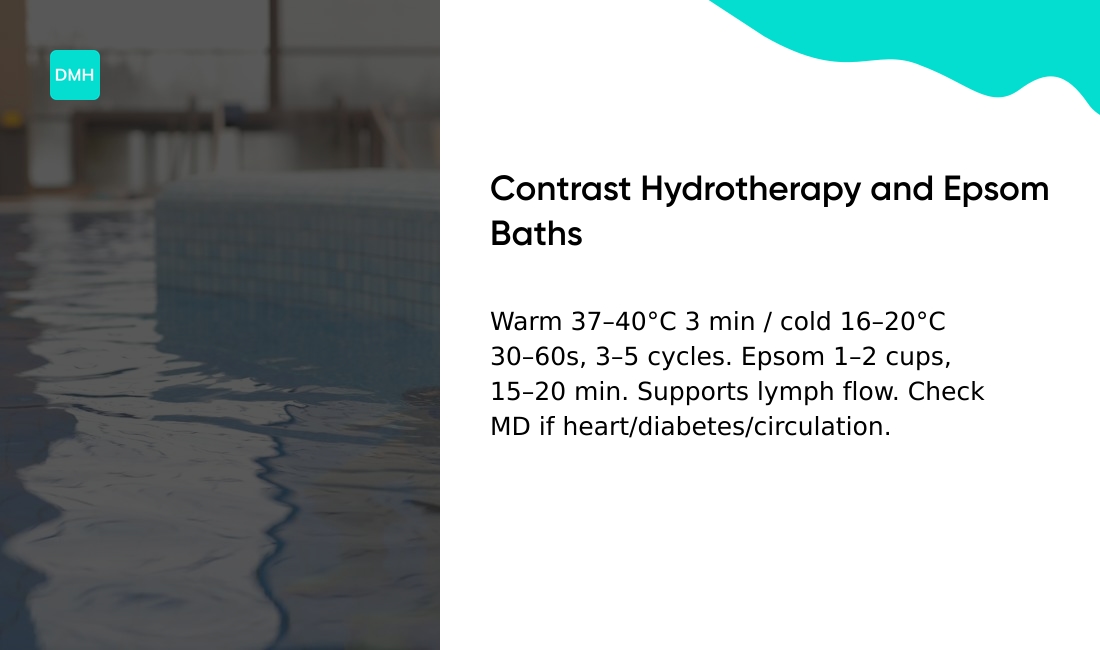
Alternating warm and cold water may boost lymph flow by changing vessel tone. This pattern can help enhance lymphatic circulation.
The switch creates a pumping effect that can move lymph toward major nodes. This contrast hydrotherapy method is commonly used for circulation and drainage support.
- Warm phase: soak at 37–40°C (98–104°F) for three minutes.
- Cold phase: rinse or shower at 16–20°C (60–68°F) for 30–60 seconds.
- Many practitioners use three to five cycles, ending on cold.
Epsom salt baths may support lymphatic detoxification and reduce inflammation. Some practitioners suggest one to two cups of Epsom salt per full bath.
Soak for 15 to 20 minutes while resting and breathing slowly.
Some studies suggest topical magnesium absorption varies and evidence remains limited.
Plus, ending your shower with 30 seconds of cold water or alternating warm and cool water on your limbs can stimulate circulation effectively.
People with heart disease, diabetes, or circulation issues may need medical clearance.
Always consult a qualified healthcare professional for medical advice specific to your situation.
You might also like: When Should You Worry About Abnormal Blood Test Results
Common lymphatic system problems
The lymphatic system moves fluid and supports the immune system. You may notice signs when lymph flow alters or nodes react.
- Swollen lymph nodes: Nodes larger than 1 cm often draw attention. They may feel tender, firm, or mobile. Fever, persistent enlargement beyond two weeks, rapid growth, night sweats, or unexplained weight loss may signal a need for evaluation.
- Lymphedema symptoms: Lymphedema causes lasting limb swelling, heaviness, and reduced range of motion. Skin changes, recurring skin infections, and poor wound healing may appear. Management options may include compression garments, manual lymphatic drainage (a gentle massage), and specialized physiotherapy under clinical guidance.
- Lymphatic drainage problems: Lymphatic vessels can become blocked after surgery, radiation, infection, or chronic inflammation. Blockage can reduce lymph flow and raise infection risk.
Other conditions can affect lymphatic function. Low lymphocyte counts, called lymphopenia, may weaken immune response.
Inflammatory disorders and some cancers can involve lymph nodes and vessels. Diagnostic steps often include physical exam, blood tests, and imaging such as ultrasound or MRI.
Recognize warning signs early. Seek medical assessment for unexplained swelling, persistent node enlargement, recurrent infections, or systemic symptoms like fever and weight loss.
Always consult a qualified healthcare professional for advice specific to your situation. Not medical advice; content for educational purposes.
You might also like: What Happens at Your First Hematology Appointment
Create a daily lymphatic support routine
Morning: Upon waking, sit upright and perform 5–10 minutes of deep diaphragmatic breathing. This breathing pattern may boost lymph flow through the thoracic duct and lymphatic vessels.
A natural bristle brush can be used for 2–3 minutes before shower. Apply light strokes from extremities toward the heart using the dry brushing technique.
Target lymph node clusters at the neck, armpits, and groin. End your shower with 30 seconds of cold water to stimulate circulation.
Move for 10–20 minutes to help squeeze lymph through vessels. Walking, gentle rebounding, or dynamic stretches may increase lymphatic circulation and support lymphatic system function.
Midday: Short 5-minute movement breaks each hour during prolonged sitting may aid lymph flow. Gentle neck and chest mobility helps direct lymph toward central nodes.
Hydrate steadily across the day. A rough guide is 30–35 mL per kg body weight daily.
Proper electrolyte balance and small amounts of citrus may support fluid movement.
Afternoon: Spend 5 minutes on light self-lymphatic massage. Use rhythmic, low-pressure strokes toward the clavicle and major nodes.
Gentle technique reduces the risk of irritation or swelling.
Evening: A 15–20 minute Epsom salt or warm bath may relax tissues and support circulation. Alternating brief warm and cool showers can stimulate vascular tone.
Before bed, 5–10 minutes of slow breathing and gentle stretching may ease lymphatic drainage overnight. Choose breathable, natural fabrics to reduce skin irritation.
Evidence is mixed and benefits can vary among individuals. Always consult a qualified healthcare professional for medical advice specific to an individual situation.
Not medical advice; content for educational purposes.
You’ll also like: Low White Blood Cell Count: Causes, Symptoms, Leukopenia
Educational notice: This content is provided for informational and educational purposes only and is not intended as medical advice. Always consult a qualified healthcare professional for medical concerns.