A scratched eye, medically known as a corneal abrasion, occurs when the clear protective surface of the eye (the cornea) becomes damaged. Even a tiny scratch can cause significant pain because the cornea contains many sensitive nerve endings.
Most minor corneal abrasions heal quickly, often within 24 to 72 hours, due to the cornea’s remarkable regenerative ability. However, proper care is essential to prevent infection and promote safe healing.
While some cases require prescription treatment, there are safe, supportive steps you can take at home to reduce discomfort and support recovery naturally.
If you experience worsening pain, reduced vision, or discharge, seek medical attention promptly.
Natural remedies for scratched eyes from home
If your injury is mild and vision is unaffected, supportive home care can help ease symptoms while the cornea heals.
1. Preservative-Free Artificial Tears
Keeping the eye lubricated is one of the most effective natural supportive measures. Sterile, preservative-free artificial tears help maintain moisture and reduce friction between the eyelid and cornea.
Dryness can delay healing and increase discomfort. Apply drops every 2–4 hours as needed. Avoid redness-reducing drops, as they do not aid healing and may worsen irritation.
Only use commercially prepared sterile products — never homemade solutions.
2. Cool Compress (Not Warm)
A cool compress can reduce inflammation and soothe irritation, particularly during the first 24 hours.
Gently place a clean, cool (not icy) cloth over the closed eye for 10–15 minutes. Repeat several times per day as needed.
Warm compresses are typically reserved for eyelid conditions such as styes or blepharitis, not acute corneal scratches.
3. Resting the Eye
Reducing strain allows the cornea to heal efficiently. Consider:
-
Limiting screen time
-
Avoiding bright light exposure
-
Wearing sunglasses outdoors
-
Avoiding smoky or dusty environments
The cornea repairs itself through cellular regeneration, and minimizing irritation supports this process.
4. Avoid Contact Lenses
If you wear contact lenses, discontinue use immediately. Contact lenses can:
-
Delay healing
-
Increase infection risk
-
Introduce bacteria such as Pseudomonas, which can cause serious corneal infections
Only resume wearing lenses after a healthcare professional confirms healing.
Types of injuries that can scratch the eyes
Corneal abrasions commonly occur due to:
-
Dust, sand, or small debris entering the eye
-
Fingernails or accidental pokes
-
Contact lens misuse
-
Rubbing the eyes forcefully
-
Sports injuries or yard work accidents
Wearing protective eyewear during high-risk activities significantly reduces injury risk.
Scratches caused by metal fragments, chemicals, or high-velocity objects require immediate medical evaluation.
Common symptoms of a scratched eye and when to see a doctor
Typical symptoms include:
-
Sharp or gritty sensation
-
Redness
-
Excessive tearing
-
Light sensitivity (photophobia)
-
Blurred vision
-
Feeling like something is stuck in the eye
While minor abrasions heal quickly, you should seek medical care if you experience:
-
Worsening pain after 24 hours
-
Decreased vision
-
Yellow or green discharge
-
Severe light sensitivity
-
Injury involving chemicals or metal
-
Contact lens-related pain
Untreated corneal abrasions can lead to corneal ulcers, which may threaten vision.
You’ll also like: How Long Does a Pulled Muscle Take to Heal
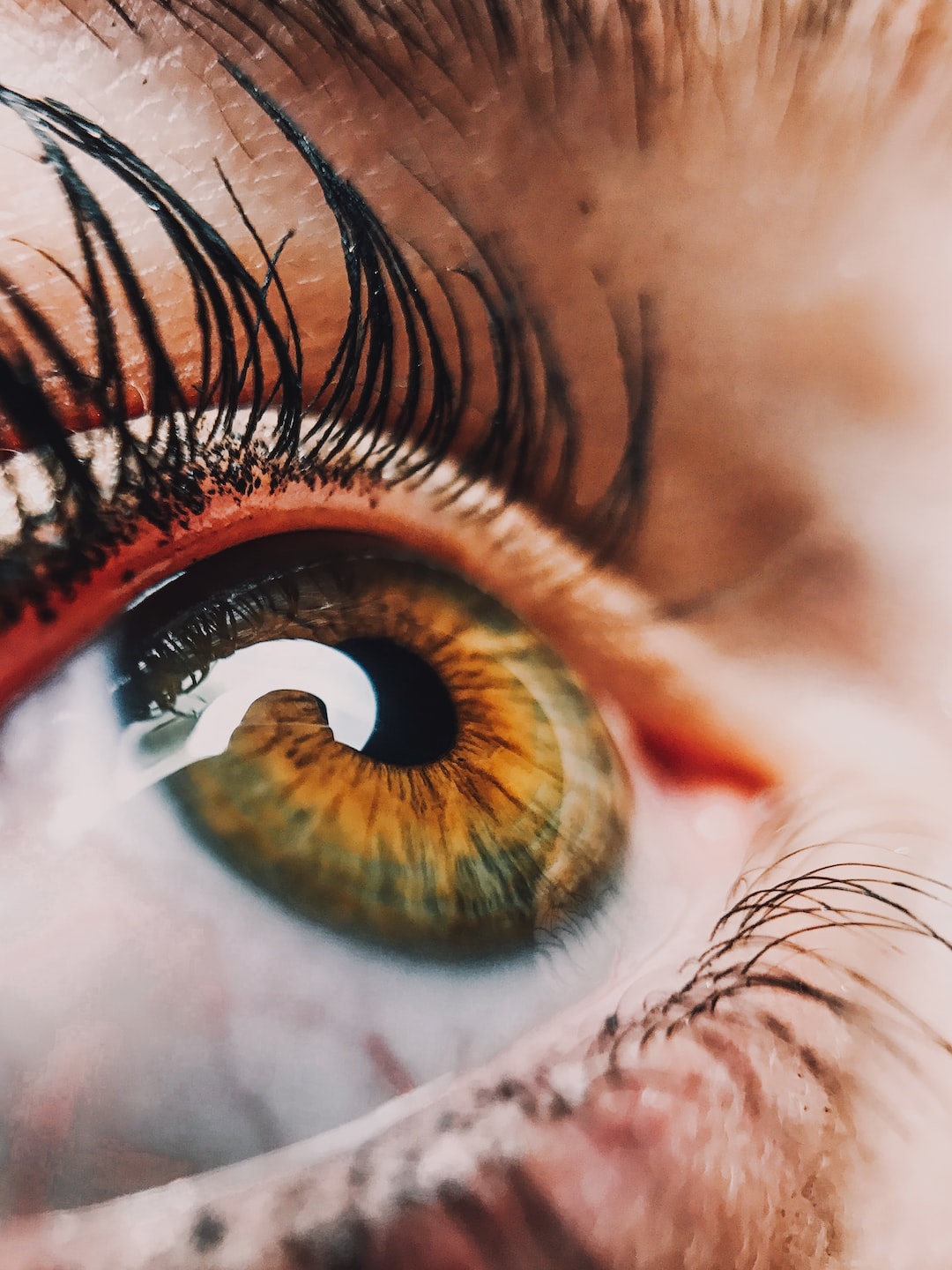
Understanding the healing process for a scratched eye
The cornea heals through rapid epithelial cell regeneration. In minor injuries, surface cells migrate and cover the defect within 24–72 hours.
However, deeper scratches may require medical treatment such as:
-
Prescription antibiotic eye drops to prevent infection
-
Lubricating ointments
-
Pain-relieving drops
-
Protective bandage contact lenses (in clinical settings)
Eye patching is no longer routinely recommended unless directed by a clinician.
Proper lubrication, rest, and avoiding contamination support the natural healing process.
Can Diet or Supplements Speed Healing?
Good overall nutrition supports tissue repair, but no supplement has been proven to directly accelerate corneal abrasion healing.
That said, nutrients that support general eye health include:
-
Vitamin A – supports corneal integrity
-
Vitamin C – aids tissue repair
-
Omega-3 fatty acids – support tear film stability
-
Zinc – assists immune function
These nutrients help maintain healthy ocular tissues but should not replace proper medical care when needed.
You’ll also like: How long does it take for salt water to heal gums
Prevention tips to avoid scratching your eyes
Prevention is the safest strategy.
To reduce your risk:
-
Wear protective eyewear during sports, yard work, or power tool use
-
Avoid rubbing your eyes, especially with unwashed hands
-
Use proper contact lens hygiene
-
Replace expired eye drops or lens solution
-
Take regular screen breaks to reduce dryness
If you experience frequent dryness, preservative-free artificial tears may help protect the corneal surface.
Regular eye examinations are recommended, especially for contact lens wearers.
When to Seek Immediate Medical Care
Seek urgent medical attention if you experience:
-
Sudden vision loss
-
Severe eye pain
-
Pus-like discharge
-
Large visible scratch
-
Chemical exposure
-
Persistent symptoms beyond 48 hours
Prompt evaluation can prevent complications and preserve vision.
Read also:
Educational notice: This content is provided for informational and educational purposes only and is not intended as medical advice. Always consult a qualified healthcare professional for medical concerns.