High blood pressure, or hypertension, means blood pushes too hard on artery walls.
That extra force damages the heart, kidneys, eyes, and brain over time. (And it happens silently—no alarms, no warnings.)
Doctors target readings under 120/80 mmHg for most adults.
Systolic pressure shows the peak when the heart beats, while diastolic shows the low between beats.
A systolic of 120–129 with diastolic under 80 counts as elevated.
Readings at or above 130/80 mark hypertension and need attention.
It often has no symptoms while causing harm.
That lack of warning is why experts call it the silent killer.
Have you checked your numbers lately?
Over one billion people live with hypertension worldwide, and a September 2025 WHO report warns that uncontrolled cases claim 10 million lives yearly.
Untreated hypertension greatly raises the risk of heart attack, stroke, kidney disease, and even dementia.
We urge you to check your blood pressure regularly at home.
Use an automated cuff and record three morning and three evening readings for a week. Share averages with your clinician and ask about lifestyle steps and medications if numbers stay high.
If you wonder what causes high blood pressure, read the next sections for common causes and practical fixes.
Start by measuring today and keep a simple log for your next visit.
Primary hypertension vs secondary hypertension
We separate high blood pressure into two clear categories so you know where to focus.
Primary essential hypertension develops gradually with no single identifiable cause. It makes up about 90 to 95 percent of cases.
This type links to genetics, age, obesity, salt intake, and low activity levels. Lifestyle change lowers risk and readings.
Secondary hypertension comes from an identifiable medical condition. It accounts for roughly 5 to 10 percent of cases.
Common causes include kidney disease, thyroid problems, obstructive sleep apnea, and certain medications.
Treat the underlying issue and blood pressure often improves.
Actually, understanding what causes high blood pressure guides treatment choices.
Early detection prevents organ damage and saves lives.
You should check your blood pressure regularly if you have risk factors like obesity, family history, or heavy alcohol use.
See a clinician for tests if readings stay high. High blood pressure needs both diagnosis and targeted action.
Start with a repeat reading, review medications, and pursue lifestyle changes or specific treatments based on the cause.
What causes high blood pressure
High salt and sodium intake
We recommend keeping sodium under 2,300 mg daily for blood pressure control.
If you ask what causes high blood pressure, excess sodium appears frequently.
Processed foods pack most sodium. Salt causes fluid retention and arterial stiffness.
Retained fluid raises blood volume, while stiff arteries raise systolic pressure and heart workload.
Here’s what works:
- Read labels and choose fresh produce
- Cook at home using herbs instead of salt
- Pick low-sodium products
- Limit processed snacks and restaurant meals
For example, swapping a frozen dinner (often 1,500+ mg sodium) for grilled chicken with roasted vegetables can cut your daily sodium by half.
Cutting sodium often lowers systolic pressure by 2 to 8 mmHg.
Try swapping one processed item for a fresh option each day.
If you have kidney disease or take blood pressure drugs, ask your clinician about stricter limits.
Track daily sodium on food labels and aim below 2,300 mg each day. Check your blood pressure regularly to see the impact.
Being overweight or obese
Being overweight or obese is a major factor in what causes high blood pressure.
We see blood pressure fall after modest weight loss—it’s one of the most reliable interventions.
Extra fat expands plasma volume and pressures the arteries, causing increased blood volume.
Abdominal fat worsens insulin function and inflammation, creating an insulin resistance link. Those changes drive arterial pressure rise and sustained hypertension.
Losing 5–10% of body weight often cuts systolic blood pressure by about 5–10 mmHg, a measurable health gain.
That means a 200-pound person losing just 10–20 pounds can see real results.
We recommend combining diet, 150 minutes of moderate activity weekly, and good sleep to keep weight down.
Talk with your clinician to set safe, personal targets.
Start tracking abdominal fat today with this waist measurement guide and adjust habits as you go.
Lack of physical activity
Well, lack of activity raises blood pressure by weakening your heart and vessels.
A sedentary routine helps explain what causes high blood pressure.
Sitting over eight hours a day raises hypertension risk. It promotes obesity and insulin resistance, which raise blood pressure.
Aim for 150 minutes weekly of moderate aerobic activity or 75 minutes of vigorous activity.
Try 30 minutes of brisk walking five days and add two strength sessions weekly.
| Activity Type | Weekly Target | Expected BP Drop |
|---|---|---|
| Moderate aerobic (walking, cycling) | 150 minutes | ~4–5 mmHg |
| Vigorous aerobic (running, swimming) | 75 minutes | ~5–8 mmHg |
| Resistance training | 2 sessions | ~2–4 mmHg |
Clinical reviews report drops of around 4 mmHg after months of training.
Begin with 10-minute walks and build up over two weeks. Track progress and consult your clinician if you have health issues.
Smoking and tobacco use
Smoking causes immediate blood vessel constriction.
Nicotine raises heart rate and blood pressure for 20–30 minutes after each cigarette.
This repeated stress damages arterial lining and speeds arterial stiffness. Over years, tobacco use raises your sustained hypertension risk.
Secondhand smoke raises blood pressure temporarily and increases risk for non-smokers.
We see smoking listed often among causes of high blood pressure.
Quitting is one of the fastest ways to lower blood pressure—blood pressure often drops within weeks after stopping, with arterial stiffness improving in months.
Aim to quit using nicotine replacement, counseling, or prescribed medications like varenicline.
Track home readings daily and share trends with your clinician.
You reduce overall risk by quitting now; start with a quit plan or call a helpline.
Excessive alcohol consumption
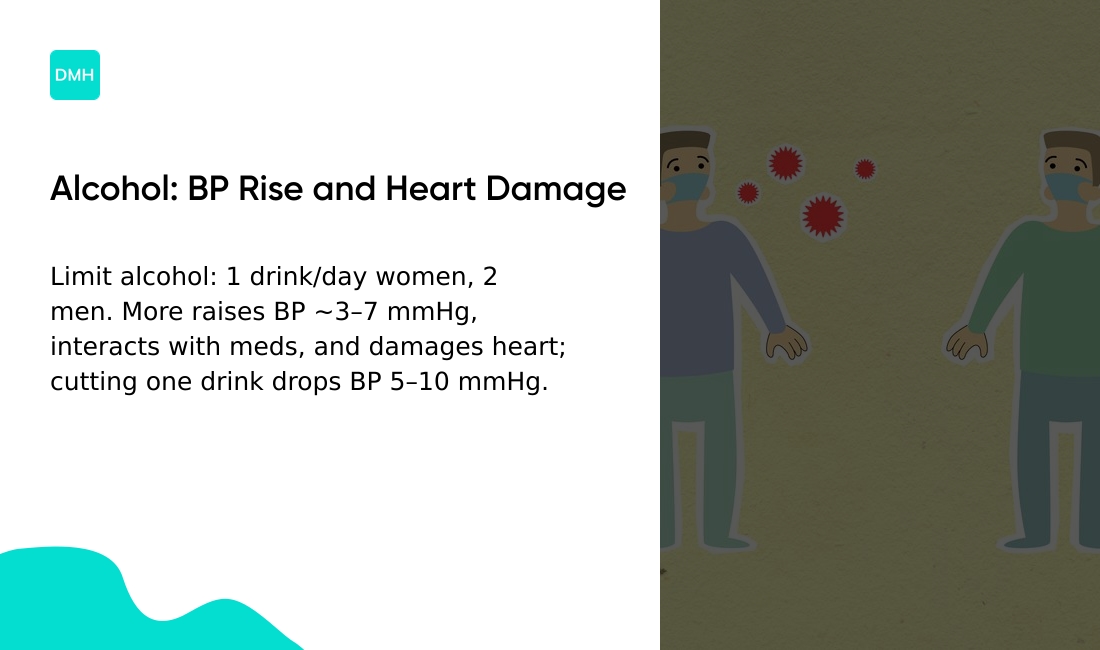
We advise limiting alcohol to one drink daily for women and two for men.
Drinking more than 1–2 drinks daily raises blood pressure by about 3–7 mmHg on average. Binge drinking produces larger spikes.
Alcohol often interferes with medications.
It can reduce the effect of blood pressure drugs and amplify blood thinners. Tell your clinician about your intake before starting or changing medicines.
Long-term heavy drinking leads to alcoholic cardiomyopathy and damages heart muscle.
That damage can reduce heart function over months to years.
Here’s what to do:
- Reduce alcohol to the recommended limits now
- Discuss drug interactions with your doctor this week
- Monitor your blood pressure weekly after cutting back
Cutting back one drink a day helps readings quickly. I’ve seen patients lower systolic pressure by 5–10 mmHg within weeks after reducing alcohol.
Medical conditions that cause high blood pressure
Kidney disease and high blood pressure
Kidney problems and hypertension feed each other—it’s a vicious cycle.
Kidney dysfunction harms the organ’s control of fluid and sodium, which raises blood pressure.
High blood pressure injures kidney arteries and lowers filtration, causing blood vessel damage and scarring.
The National Kidney Foundation explains this link in detail. This explains part of what causes high blood pressure.
Early detection changes outcomes. Treating blood pressure slows kidney decline.
Simple steps work:
- Monitor blood pressure at home daily
- Limit sodium to under 2,300 mg per day
- Take prescribed medicines and see a nephrologist if readings stay high
Diabetes and hypertension
We see diabetes and hypertension often together and driving heart events.
High blood sugar damages the endothelium and increases arterial stiffness. That damage narrows vessels and raises pressure.
People with diabetes have two to four times higher cardiovascular disease risk.
Blood pressure above 130/80 magnifies that risk further.
Tight glucose control lowers vascular damage. I’ve seen patients reduce blood pressure after improving glucose control.
Aim for an A1c under 7% for many adults.
Losing 5% of body weight lowers blood pressure and improves glucose.
Manage both numbers—check your blood pressure and A1c regularly.
Consider diet changes like the lower blood sugar foods guide to cut spikes and reduce vessel stress.
Talk with your clinician about combined strategies.
Treating sugar and pressure together prevents heart attacks and strokes.
Sleep apnea and high blood pressure
We stress that obstructive sleep apnea causes repeated oxygen drops during sleep.
Those drops trigger cortisol and adrenaline spikes at night.
The result is higher nightly blood pressure and vascular strain.
This pattern links to resistant hypertension in 50–80% of cases. (That’s more than half of all resistant cases!)
Use a sleep study for diagnosis. CPAP therapy can lower average systolic pressure by about 2–4 mmHg in trials.
Treating apnea reduces long-term heart risk.
Lose weight and avoid alcohol before bed to reduce apnea severity.
Sleep apnea gets missed in many high blood pressure plans.
If your blood pressure stays high despite treatment, could sleep apnea be the culprit?
Get tested and start sleep therapy now. Find related dietary triggers at what foods cause sleep apnea.
Thyroid and endocrine disorders
Secondary hypertension often stems from thyroid and endocrine disorders.
They change metabolism, heart rate, and vascular tone. They explain what causes high blood pressure beyond lifestyle risks.
Hyperthyroidism raises heart rate and blood pressure through excess thyroid hormone.
Hypothyroidism increases vascular resistance and fluid retention.
Parathyroid disease alters calcium and vessel function; parathyroid disease warrants specialist evaluation.
Hormonal shifts from adrenal or pituitary tumors raise stress hormones and blood pressure.
Testing thyroid function is often overlooked. Order TSH, free T4, and calcium when blood pressure rises without clear cause.
Treat the root cause to reduce blood pressure and medication needs.
Check for medications that cause high blood pressure and adjust therapy.
If you have unexplained hypertension, ask your doctor for endocrine tests and imaging.
We recommend timely testing to avoid heart damage.
Medications that raise blood pressure
Several common drugs can raise blood pressure.
These medications that cause high blood pressure include NSAIDs, decongestants with pseudoephedrine, combined birth control pills, systemic steroids, and some antidepressants.
We see patients whose numbers jump after starting one of these medicines. Many people miss this link and blame diet or stress.
NSAIDs can raise systolic BP by about 3–5 mmHg in some people.
Check OTC labels and tell your clinician about every drug and supplement you take.
Monitor your blood pressure for two weeks after a medication change and report sustained rises above 130/80 mmHg.
If you use diuretics such as spironolactone, review foods to avoid while taking spironolactone to prevent interactions and potassium imbalances.
Ask your provider for safer alternatives when a drug increases your blood pressure.
Risk factors for high blood pressure
We emphasize non-modifiable risks that raise hypertension odds.
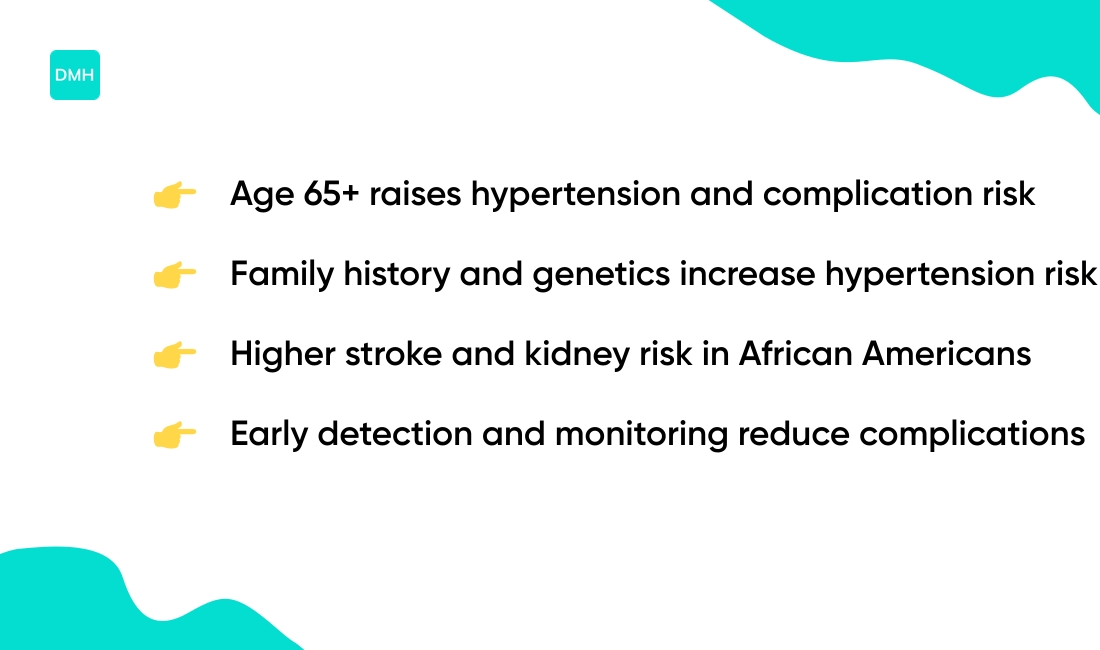
Age matters—people aged 65 and older face higher blood pressure rates and greater complication risk.
Family patterns matter. If close relatives had hypertension, your odds rise.
Know your family history and share it with your clinician.
Genes matter. Certain inherited traits affect salt handling and vessel tone.
Expect earlier onset when genetic factors run in a family.
Race matters. Studies show higher rates and earlier onset in the African American population, plus greater stroke and kidney risk.
Gender differences matter. Men often show higher readings at younger ages.
Women gain risk after menopause and during some pregnancies.
These factors explain much of what causes high blood pressure beyond lifestyle.
They shape screening and treatment plans.
Knowing these risks helps you act sooner. Get regular checks if you’re older, have relatives with hypertension, or belong to higher-risk groups.
Ask your provider about earlier monitoring, genetic counseling, or targeted therapies if needed.
Early detection cuts complication risk and guides smarter care.
Read also: Can Dehydration Affect Blood Test Results?
Can stress cause high blood pressure
We treat stress as a modifiable risk factor for hypertension.
Stress raises pressure via adrenaline and cortisol. Those hormones speed heart rate and narrow blood vessels.
Acute episodes can push systolic pressure about 20–30 mmHg above baseline.
Repeated episodes strain arteries and the heart.
Chronic stress keeps cortisol high and increases inflammation.
One study links chronic stress to roughly a 20% higher hypertension risk.
Temporary pressure spikes feel short lived. But repeated spikes plus unhealthy coping habits such as excess alcohol, smoking, poor diet, and short sleep cause lasting blood vessel damage.
Here’s the game plan:
- Practice deep breathing five minutes daily
- Move briskly 150 minutes each week
- Cut alcohol and tobacco use
- Sleep seven hours nightly
- Track your blood pressure at home for two weeks
Stress management helps lower readings for many people.
Start with breathing and daily walks for four weeks. If your readings stay high, see a clinician for evaluation and treatment.
You might also like: How Much CRP Level Is Dangerous: Complete Guide
How to fix high blood pressure
Lower blood pressure with clear, evidence-based steps you can use today.
We recommend a simple plan: cut sodium, move more, sleep better, manage stress, and use medicines when needed.
- Reduce sodium intake — Aim under 2,300 mg daily; under 1,500 mg gives bigger drops in pressure
- Regular aerobic exercise — Do 150 minutes weekly of brisk walking or cycling; expect 5–8 mmHg systolic reduction
- Schedule medication review — Talk about ACE inhibitors, ARBs, or thiazide diuretics with your clinician
Lose weight if you’re overweight. Dropping 5–10% of body weight often lowers systolic pressure by several mmHg.
Steady weight loss beats quick fixes for lasting control.
Stop smoking and limit alcohol. Smoking narrows vessels instantly.
Drinking more than two drinks daily raises pressure over time.
Manage stress with slow breathing, 10 minutes daily.
Treat obstructive sleep apnea with CPAP if diagnosed; untreated sleep apnea links to resistant hypertension.
Some medicines and conditions raise pressure. Check prescriptions and screen for kidney disease, thyroid problems, and diabetes.
Measure your blood pressure at home and track trends.
Seek urgent care for chest pain; read our guide on when to go to the hospital for chest pain.
Start with one change this week and add another next week.
Book a follow-up with your provider to set targets and medications. Remember, a November 2025 Stanford update highlights how even moderate elevations multiply heart attack and stroke risk exponentially, while lowering blood pressure reduces dementia odds.
You’ll also like: What Vitamin Is Good For Weight Loss
Educational notice: This content is provided for informational and educational purposes only and is not intended as medical advice. Always consult a qualified healthcare professional for medical concerns.