What causes vertigo can help stop sudden dizziness from derailing daily life.
Vertigo isn’t just lightheadedness.
It creates a spinning sensation, balance loss, and anxiety that can make routine tasks risky.
This guide explains common vertigo causes—from dislodged ear crystals and BPPV to vestibular neuritis, Meniere’s, and migraine-related vertigo—plus practical ways to address them.
You’ll see straightforward diagnostic approaches like positional testing and video head impulse testing, along with treatments such as the Epley maneuver, vestibular rehab, medications, and dietary changes.
You’ll learn how to spot triggers, what to do during an attack, and when it’s important to see a doctor.
By the end, you’ll be better equipped to reduce episodes and get the right care quickly.
What is vertigo
Vertigo is a feeling of spinning or dizziness that differs from lightheadedness. Lightheadedness feels faint or unsteady without the spinning sensation.
If you search for what causes vertigo, faulty inner ear signals are often cited. The inner ear has fluid-filled canals and tiny calcium crystals called otoconia.
When these crystals dislodge, they can drift into semicircular canals and trigger brief dizzy spells. That mismatch comes from false movement signals sent to the brain.
Symptoms typically include:
- Room spinning sensation
- Nausea and vomiting
- Imbalance and unsteadiness
- Rapid eye movements (nystagmus)
Specific vertigo causes include BPPV, labyrinthitis, vestibular neuritis, and Meniere’s disease. Migraine vertigo can produce dizziness with or without headache. Cervical problems and head trauma may be associated with vertigo symptoms as well.
Vertigo in elderly people often links to inner ear decline and other health issues. During pregnancy, hormonal shifts and blood pressure changes can trigger episodes in susceptible individuals.
Have you noticed patterns in when your dizziness occurs? Understanding dizziness versus vertigo helps guide evaluation. Some studies suggest anxiety and dehydration can trigger episodes.
Ear crystals vertigo often explains brief positional attacks in older adults. Vestibular neuritis may follow viral infections and cause longer-lasting dizziness.
Always consult a qualified healthcare professional for medical advice specific to your situation.
What are the most common causes of vertigo
Benign paroxysmal positional vertigo (BPPV)
BPPV causes brief spinning when you change head position. Calcium carbonate crystals can drift into the semicircular canals and send false movement signals.
That causes brief dizziness spells tied to head position changes. You may feel short dizzy episodes when rolling over in bed or looking up quickly. (Ever reached for something on a high shelf and felt the room tilt? That’s classic BPPV.)
This condition is more common after age 50, particularly in women. Tiny particles called canaliths move inside the ear, which explains many inner ear vertigo causes among older adults.
BPPV is also more frequent in people with head injuries, osteoporosis, or those who’ve spent extended time lying flat. Women, especially post-menopause, face higher risk due to calcium changes.
If you wonder what causes vertigo, displaced crystals are a frequent answer. Some studies suggest repositioning maneuvers can lessen symptoms effectively.
Always consult a qualified healthcare professional for medical advice specific to your situation.
Meniere’s disease
Meniere’s disease is a disorder of the inner ear that causes spinning vertigo episodes, fluctuating hearing loss, and tinnitus. Abnormal fluid buildup in the cochlea and vestibular system can distort balance signals.
This inner ear vertigo may produce sudden, intense attacks that last minutes to hours. Attack frequency and severity can vary from person to person.
| Common Triggers | Potential Impact |
|---|---|
| High salt intake | May increase fluid retention in inner ear |
| Caffeine consumption | Can affect fluid balance |
| Stress and poor sleep | May be associated with more frequent attacks |
| Alcohol | Can worsen symptoms in some individuals |
Tracking triggers helps clarify patterns for many patients. I’d say identifying diet and sleep links may be associated with fewer attacks for some people.
Clinicians use hearing tests and balance exams to evaluate suspected Meniere’s disease vertigo. Always consult a qualified healthcare professional for medical advice specific to your situation.
Vestibular neuritis and labyrinthitis
Vestibular neuritis is inflammation of the vestibular nerve. Viral infections such as COVID-19 may be associated with this process.
Vestibular neuritis causes sudden, intense spinning and balance loss that can last days to weeks. This is one example of what causes vertigo that can really knock you off your feet—literally.
Labyrinthitis affects both hearing and balance. The infection involves the inner ear nerve and nearby structures, producing symptoms that include nausea, unsteady gait, and noise sensitivity.
Some people report severe dizziness that disrupts daily life completely. Viral triggers, including COVID-19, often precede vestibular neuritis cases.
Some studies suggest recovery can take weeks to months. Your symptoms may prompt clinical evaluation when vertigo is severe or persistent.
Always consult a qualified healthcare professional for medical advice specific to your situation.
Migraine-associated vertigo
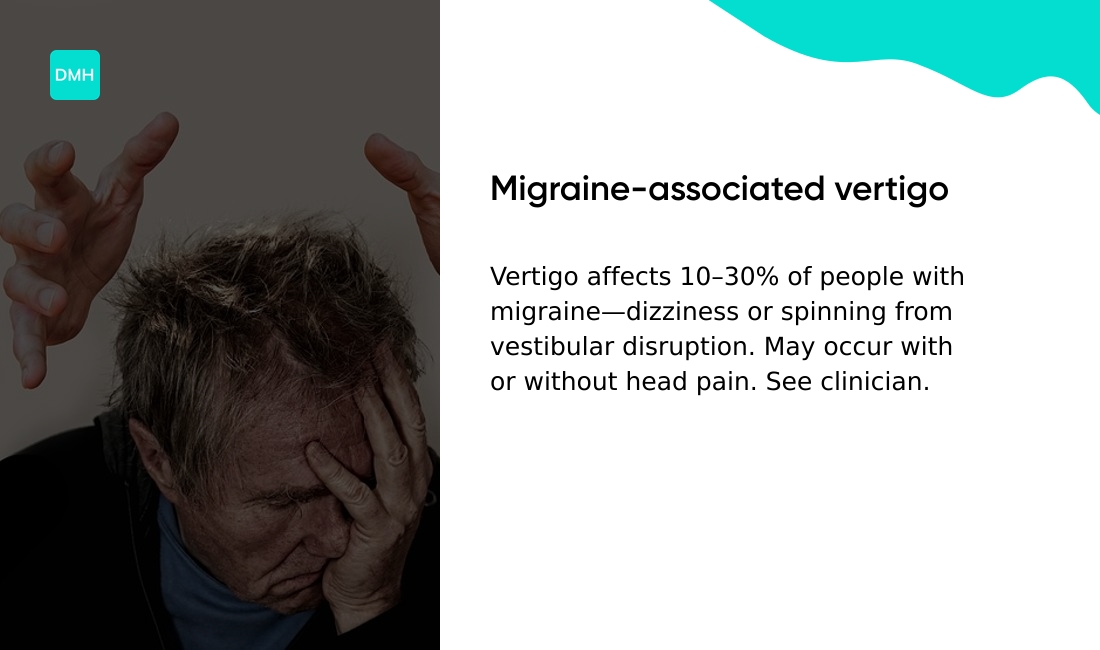
Migraine-associated vertigo describes dizziness or a spinning sensation tied to migraine. Migraines can disturb the inner ear and brain areas that control balance.
This disruption sends false motion signals through the vestibular system. Some studies estimate 10% to 30% of people with migraine report vertigo or dizziness.
Symptoms can occur with or without head pain. Visual motion or head movement often provokes episodes. Clinicians may label this as vestibular migraine or migraine-related vestibulopathy.
Treatment varies and can include vestibular rehabilitation and symptom management strategies. If you notice dizziness alongside migraine, mention other head pain types, such as headache behind the eyes.
That information may help clinicians trace patterns. Always consult a qualified healthcare professional for medical advice specific to your situation.
What triggers vertigo attacks
Several common factors can trigger vertigo attacks. Understanding what causes vertigo starts with recognizing predictable triggers.
- Head position changes: Brief spinning often follows lying down, rolling over, or sitting up quickly. BPPV and loose ear crystals are common causes in older adults.
- Stress and anxiety: Emotional strain may be associated with more frequent or intense episodes. Some studies suggest anxiety can amplify dizziness perception.
- Dehydration and diet: Low fluid intake, high salt, or excessive caffeine may provoke Meniere’s disease vertigo or worsen symptoms.
- Environmental triggers: Bright lights, motion, loud environments, and strong smells can provoke vestibular symptoms for some individuals.
- Neck problems and head injury: Cervical issues or recent head trauma may be associated with vertigo after injury.
Ever noticed your symptoms worsen in crowded, noisy places? Keeping a simple trigger diary can reveal useful patterns over weeks.
Tracking sleep, meals, stress levels, and head movements may clarify personal vertigo causes. Learn practical sleep adjustments in the guide on how to sleep with vertigo.
Always consult a qualified healthcare professional for medical advice specific to your situation.
Can neck problems cause vertigo
Neck problems can cause vertigo by disrupting blood flow and joint signals. Cervical issues may alter proprioception from the upper neck, sending mismatched balance signals to the brain.
Cervical vertigo causes often include whiplash, osteoarthritis, and sustained poor posture. Arteries that supply the inner ear and brainstem can narrow with aggressive neck movement.
Inner ear vertigo and cervical sources can overlap. Clinicians often evaluate both systems when dizziness follows neck injury.
Head trauma can bring neck injury and inner ear damage together. See headaches after car accident for related symptoms and patterns.
Tests that look for nystagmus and joint tenderness help separate causes. Imaging and balance testing may be useful for complex cases.
I’d say neck-related dizziness may be under-recognized in many patients. Some studies suggest manual therapy and targeted rehab can help specific presentations, but findings vary.
Head trauma vertigo may appear days or weeks after an injury. Symptoms often include unsteadiness, neck pain, and a spinning sense.
Clinicians usually describe a careful history and exam as key to diagnosing cervical vertigo. Treatment options can vary from physical therapy to referral for vestibular testing.
Always consult a qualified healthcare professional for medical advice specific to your situation.
How to diagnose vertigo causes
Understanding what causes vertigo helps guide which tests clinicians choose. Bedside assessment uses guided head movements to provoke nystagmus and symptoms.
Clinicians observe eye movements while patients change head position to test for BPPV causes. This remains a fast, low-cost initial option.
Infrared goggles improve detection of subtle eye movements in dim light. Infrared goggles help reveal nystagmus that’s hard to see with the naked eye.
Video head impulse testing, also called B-vHIT, records rapid eye responses during brief head turns. Video head impulse assists in distinguishing peripheral inner ear vertigo causes from central nervous system causes.
For patients who can’t lie flat, clinicians may use the TRV Chair to rotate safely and reproduce symptoms. (Think of it as a controlled roller-coaster for diagnosis—minus the fun but with clear medical purpose.)
Audiometry often evaluates hearing when labyrinthitis vertigo or Meniere’s disease is suspected. Imaging is sometimes ordered when neurological signs raise concern about central causes.
I really think that pairing bedside maneuvers with B-vHIT improves diagnostic confidence in many cases. Always consult a qualified healthcare professional for medical advice specific to your situation.
Vertigo treatment options
Epley maneuver and repositioning techniques for BPPV
The Epley maneuver is a sequence of head and body movements used for BPPV. It aims to move dislodged calcium carbonate crystals back into the utricle.
BPPV occurs when ear crystals drift into a semicircular canal. These crystals are called canaliths. It most often affects the posterior semicircular canal, causing brief spinning with position changes.
The Epley is a common canalith repositioning maneuver that guides crystals along gravity back to the utricle. Some studies suggest repositioning reduces vertigo episodes in many patients.
The TRV Chair helps patients who can’t lie flat. The TRV Chair rotation allows clinicians to perform maneuvers safely through controlled flipping motions. This option may increase comfort and monitoring during the procedure.
Plus, the chair can perform specialized moves like the BBQ roll for horizontal canal BPPV. Always consult a qualified healthcare professional for medical advice specific to your situation.
Medications and dietary changes
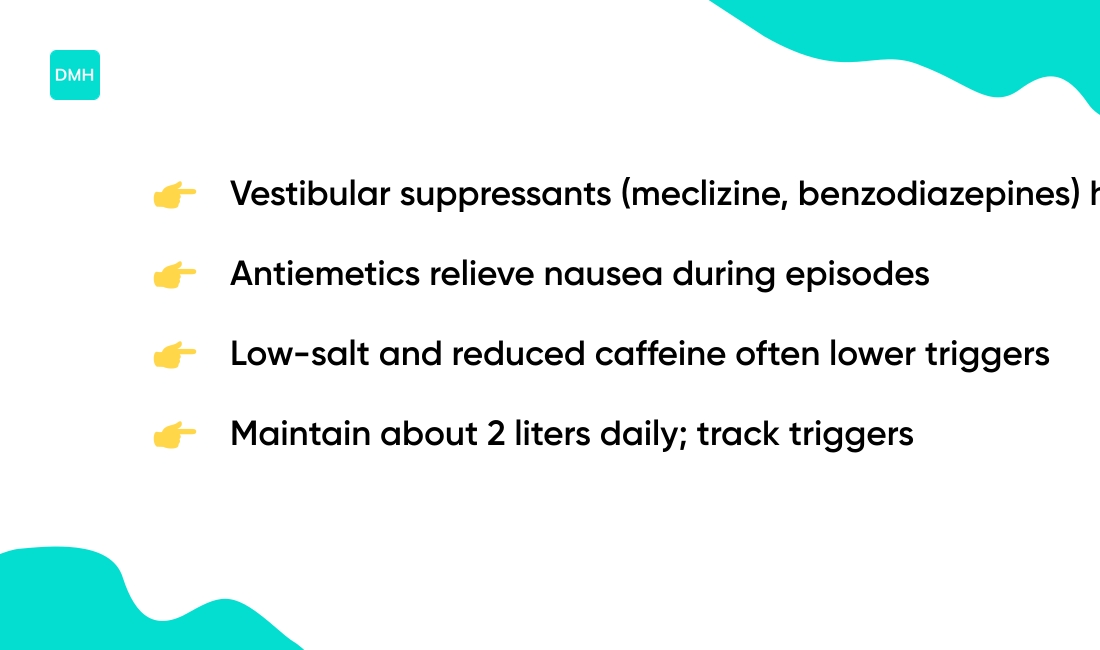
Medications and dietary changes can target vertigo symptoms and common triggers. Clinicians may prescribe vestibular suppressants such as meclizine or short-acting benzodiazepines for acute dizziness.
Antiemetics can ease nausea during episodes. Diuretics are sometimes used for Meniere’s disease diet management to address fluid imbalance.
Dietary steps often complement medical care. I’d say modest sodium reduction may lower Meniere’s disease vertigo frequency. Some studies suggest a low-salt approach can reduce episode rates in affected people.
Cutting back on salt and caffeine may reduce triggers for some individuals. Maintaining steady fluids supports blood volume and may limit dehydration-related dizziness.
A common guideline is about 8 cups (2 liters) of fluid per day, although needs vary. Keep records of symptoms, foods, and drinks to spot patterns.
This information can help clinicians link vertigo causes to diet and medications. Always consult a qualified healthcare professional for medical advice specific to your situation.
You’ll also like: How To Tell Anxiety Symptoms From Real Illness
Vestibular rehabilitation therapy
Vestibular rehabilitation therapy is a set of physical exercises that retrain the brain’s balance system. It targets inner ear vertigo causes like vestibular neuritis and labyrinthitis.
Gaze stability exercises, balance training, and habituation exercises form core components. Programs aim to improve gaze control, walking stability, and tolerance of motion.
Some studies report dizziness score reductions of 40–60% over several weeks for vestibular neuritis causes. Clinicians tailor programs to symptom severity and patient goals.
A typical program may have two to three clinic sessions weekly and daily home exercises. Progress is commonly tracked with dizziness scales and functional balance tests.
Wondering if rehab actually works? Well, vestibular rehab provides measurable gains for many patients. Always consult a qualified healthcare professional for medical advice specific to your situation.
Read also: Does Anemia Cause Headaches
When to see a doctor for vertigo
Medical evaluation may be needed for vertigo that shows warning signs.
- Sudden severe episodes of spinning that start without warning
- Recurrent vertigo that returns frequently or worsens over days
- Accompanying neurological symptoms such as double vision, weakness, numbness, or slurred speech
- New or worsening hearing loss, persistent imbalance, or falls
- Vertigo that begins after head injury or a significant blow to the head
Understanding what causes vertigo helps guide evaluation. Peripheral causes include BPPV, Meniere’s disease, labyrinthitis, and vestibular neuritis causes.
Central causes may be associated with stroke or other brain pathology, which is why accurate diagnosis matters. Penn State Health explains common dizziness causes and signs that prompt further testing.
Clear documentation of symptom timing and triggers helps clinicians reach a diagnosis more quickly. If warning signs appear, contact a clinician or seek urgent care based on symptom severity.
Always consult a qualified healthcare professional for medical advice specific to your situation.
You’ll also like: Can Low Iron Cause Headaches
Educational notice: This content is provided for informational and educational purposes only and is not intended as medical advice. Always consult a qualified healthcare professional for medical concerns.