Many ask why do i smell bad even with good hygiene.
This worry feels personal and frustrating.
You shower daily, use deodorant, and wear clean clothes—yet the smell returns within hours.
What causes persistent body odor despite good hygiene
Sweat comes from two gland types. Eccrine glands produce watery sweat that cools skin.
Apocrine glands sit in armpits, groin, and skin folds. They release protein-rich secretions that bacteria feast on.
Bacteria break down those proteins into volatile acids and sulfur compounds. That mix creates strong body odor in specific areas.
Eccrine sweat rarely smells. It’s mostly water and salt.
It only smells when bacteria grow on trapped moisture.
The skin hosts billions of microbes that shape scent. Shifts in that balance can cause skin microbiome odor and persistent body odor.
Here’s the thing: routine washing can reduce surface bacteria but won’t fix underlying gland activity. Treating wet skin and tight fabrics helps a lot.
Simple steps lower odor risk:
- Gentle cleansing with pH-balanced products
- Targeted exfoliation once or twice weekly
- Full drying of skin folds
- Breathable clothes that allow airflow
Antiperspirants reduce sweat and limit bacterial growth. If odor lasts despite these steps, see a dermatologist.
A clinician can test for bromhidrosis, hormonal causes, or rare metabolic issues.
What is bromhidrosis
Bromhidrosis causes persistent body odor. Bacteria break down sweat into smelly compounds.
The smell centers in armpits, groin, and skin folds. Those areas contain apocrine glands that produce apocrine sweat.
This sweat contains proteins and lipids. Skin bacteria feed on those molecules and release volatile fatty acids and thioalcohols.
Corynebacterium and Staphylococcus species often dominate the underarm microbiome. Studies report these bacteria create the strongest odors—sometimes described as cheese or rotten feet.
People report odor that returns right after showering or after deodorant use. Sound familiar? Persistent scent suggests bacterial breakdown rather than poor hygiene.
Treatments focus on reducing bacteria and cutting sweat production:
| Treatment | How It Works | Effectiveness |
|---|---|---|
| Clinical antiperspirants | Block sweat ducts with aluminum compounds | 60-80% reduction |
| Antibacterial washes | Reduce odor-causing bacteria | Moderate improvement |
| Prescription antibiotics | Target bacterial colonies | High short-term relief |
| Botulinum toxin injections | Block nerve signals to sweat glands | Up to 80% reduction for months |
DermNet NZ offers a clear clinical overview for deeper reading.
We recommend a dermatology consult if odor persists despite good hygiene. Targeting both bacteria and sweat gives the best results.
In my opinion, simple steps often cut odor within weeks.
Medical conditions that cause body odor
Does hyperhidrosis cause body odor
Excessive sweating creates a moist, warm surface where bacteria thrive. Bacteria break down sweat into smelly compounds.
Hyperhidrosis affects about 2–5% of people and drives sweat volume higher during heat, stress, or exercise. Apocrine sweat contains proteins and lipids that bacteria feed on.
That process makes hyperhidrosis body odor worse in the armpits and groin and increases armpit odor and sweat smell.
You can reduce odor with focused steps:
- Wash odor-prone areas with an antibacterial cleanser
- Exfoliate gently twice weekly
- Dry thoroughly and change damp clothes quickly
- Choose cotton or moisture-wicking fabrics
- Try a clinical-strength antiperspirant or discuss Botox or miraDry with a dermatologist
Persistent odor despite good hygiene means see a clinician. Medical treatment can give faster relief than extra washing alone.
Do hormones affect body odor
Hormone shifts change sweat chemistry and can make hormonal body odor stronger even with good hygiene.
Puberty activates apocrine sweat glands. These glands produce protein-rich sweat that skin bacteria break down into smelly compounds.
Menstrual cycles, pregnancy, and menopause alter estrogen, progesterone, and testosterone levels. Those changes affect sweat volume and scent.
Tracking your cycle and symptoms helps identify patterns. Note when underarm odor or groin smell spikes.
Try antibacterial washes, clinical antiperspirants, and breathable cotton or moisture-wicking fabrics to limit bacterial growth. Simple tests can check thyroid or androgen levels and rule out metabolic causes.
See your clinician if odor changes are sudden, strong, or linked to other symptoms like fatigue or weight fluctuations.
What is trimethylaminuria (fish odor syndrome)
Trimethylaminuria, or fish odor syndrome, is a rare genetic condition. The body can’t break down trimethylamine produced by gut bacteria.
Trimethylamine then leaves the body in breath, sweat and urine and creates a persistent fishy smell.
Estimates place the condition at about 1 in 40,000 to 1 in 100,000 people. Many people get misdiagnosed because extra washing doesn’t change the odor.
The smell doesn’t reflect poor cleanliness.
The main symptom is fishy body odor that stays after showers. People notice stronger odor after eggs, liver, soy or legumes.
Doctors test urine for high trimethylamine levels and check the FMO3 enzyme.
Management uses a low-choline diet, short antibiotic courses to alter gut bacteria, and supplements like activated charcoal or riboflavin. These measures reduce odor for many people.
We urge testing if you face persistent odor. Early diagnosis lowers anxiety and points to practical treatment steps.
Diabetes and kidney disease effects on body odor
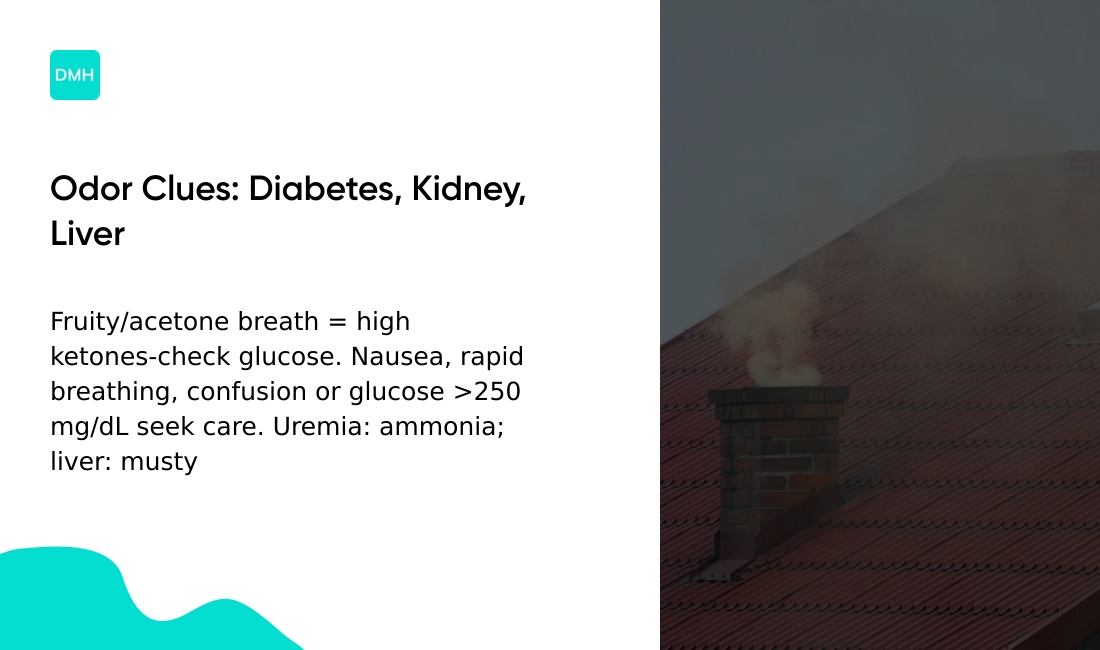
Diabetes can cause a sweet, fruity breath smell. Fat breakdown makes ketones like acetone.
High blood sugar or ketones above 3 mmol/L often cause this scent. A sudden fruity or acetone smell means check your glucose right away.
Seek care for nausea, fast breathing, confusion, or a blood glucose over 250 mg/dL.
Kidney and liver disease change body scent as toxins build up. Uremia from kidney failure can produce ammonia-like odors.
Liver dysfunction can cause a musty or sweet odor. Watch for weight loss, fatigue, or reduced urine output.
See a clinician if odor appears with other symptoms or with toxin buildup signs. Testing helps find treatable causes and stops worsening health.
What foods cause body odor
We track dietary triggers that worsen body odor. Sulfur-rich foods break down into volatile molecules that exit through sweat.
Garlic and onions are the top offenders.
Spicy meals raise your body temperature and increase sweat production. That extra sweat feeds skin bacteria and deepens your sweat smell.
High-protein, high-fat diets change gut and skin bacteria. Red meat consumption can raise smelly metabolites that leave through pores.
Cruciferous vegetables like broccoli and Brussels sprouts contain sulfur. They can make sweat smell stronger for some people.
Fish, eggs, and some legumes produce strong compounds if your body clears them slowly. Short elimination tests reveal personal triggers fast.
Low fluid intake concentrates sweat chemicals and makes odors last longer. Poor hydration concentrates odor-causing molecules and raises smell intensity.
Alcohol and caffeine alter sweat chemistry and can worsen odor after drinking. Try cutting them for a week to check the effect.
Probiotic foods may shift gut bacteria toward fewer smelly byproducts. Yogurt with live cultures helps some people reduce persistent smell.
Plus, eating more fruits and vegetables helps flush odor-causing compounds from your system.
Takeaway: adjust diet before changing hygiene routines. If you still ask why do i smell bad even with good hygiene, consult a clinician to rule out metabolic or genetic causes.
Can stress make body odor worse
Stress can make body odor stronger. Apocrine glands in armpits and groin release a thicker, protein-rich sweat.
Bacteria feed on those proteins and create smelly compounds like volatile sulfur and fatty acids.
Eccrine sweat cools the skin with water and salt. It rarely produces strong smells.
Stress triggers the sympathetic nervous system. That sends signals that open apocrine glands within minutes and change sweat chemistry.
Adrenaline and cortisol alter sweat composition. The result is a different mix of lipids and proteins.
Bacteria then produce a smell that many people notice even after showering.
Stress sweat smell often appears after anxiety, public speaking, or intense mental strain. Managing stress can cut episodes of strong armpit odor for many people.
Practical steps you can take:
- Use clinical antiperspirants at night on dry skin
- Choose breathable fabrics
- Shower with an antibacterial cleanser for odor-prone areas
- Trim armpit hair to reduce bacterial habitat
- Try breathing exercises for ten minutes a day to lower sympathetic activity
We recommend tracking triggers and timing of odor to identify patterns. If odor persists despite these steps, see a clinician to rule out bromhidrosis, metabolic causes, or medication effects.
How to get rid of body odor that won’t go away
Why doesn’t my deodorant work
Most deodorants fail because they treat odor, not sweat. You may face a deodorant not working scenario when sweat feeds odor-causing bacteria.
Bacteria break down apocrine sweat into smelly compounds. That shift creates a bacterial resistance issue.
We advise you to switch to clinical-strength antiperspirants when sweat persists.
Apply antiperspirant to dry skin at night for best absorption. Wet skin cuts product uptake.
If heavy sweating continues, try a 10–20% aluminum chloride product for two weeks. I’d say that trial time shows real change.
See a clinician for sudden odor shifts, signs of bromhidrosis, or suspected trimethylaminuria. Tests rule out medical causes.
Wear breathable fabrics. Rotate products and use gentle antibacterial cleansing to support the skin microbiome odor.
How do I balance my skin microbiome to reduce odor
We recommend gentle changes first. Use gentle pH cleansers and avoid alkaline soaps that raise skin pH above 5.5.
Avoid antibacterial washes that kill helpful bacteria. Your skin needs diverse microbes to limit odor-causing strains.
Wash armpits and groin once daily and after heavy sweat. Overwashing strips oils and invites bacterial overgrowth.
Targeting bacteria health beats stronger fragrances. Balancing flora reduces underarm odor more reliably than masking scents.
Try products that support skin microbiome balance:
- Prebiotic cleansers
- Mild exfoliation once a week
- Targeted serums
- Probiotic skincare products with Lactobacillus ferment or fermented lysates
For a related habit check cold showers and acne. Track results for two to four weeks and adjust based on odor and skin comfort.
Which fabrics help reduce body odor
We recommend breathable fabrics to cut bacterial growth and underarm odor.
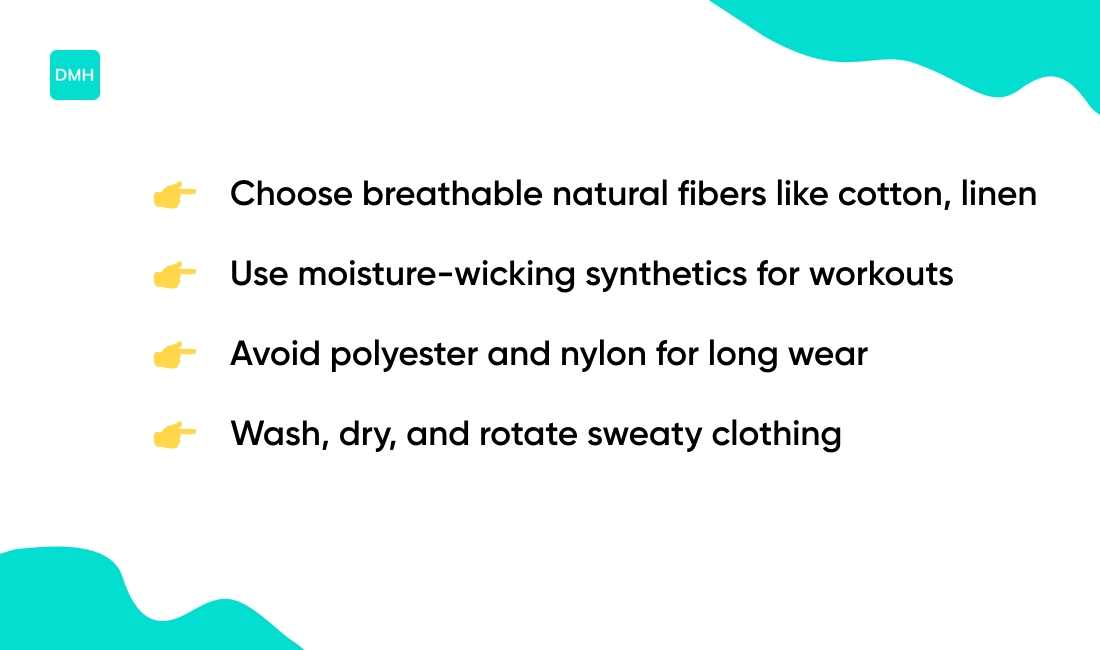
Choose breathable natural fibers like cotton and linen for daily wear. They let air flow and absorb sweat.
Use moisture-wicking synthetics for exercise. They pull sweat away from skin and dry fast.
Avoid polyester and nylon for long wear. They trap sweat and fuel bacterial growth that causes persistent body odor.
Cotton can absorb about 25% of its weight in moisture. Merino wool resists bacteria and limits smell without heavy washing.
Switching to these fabrics cut my sweat smell after intense workouts. Wash sweaty clothes after one use and dry them thoroughly.
Rotate shirts so damp fabric never sits next to skin.
Pick looser fits near sweat-prone areas. That lowers armpit odor and reduces sweat smell during long days.
You might also like: How To Use Oil On Face
Proper washing techniques for odor-prone areas
Target armpits, groin, and skin folds with focused washing to cut bacterial buildup that drives odor. This practice often explains why do i smell bad even with good hygiene.
Use a mild antibacterial soap on those zones. Lather for about 20 seconds and rinse well to remove sweat and oils.
Antibacterial soap use matters for short, effective washes.
Limit exfoliation to one to two times per week for sensitive areas. Keep it gentle.
Learn whether to exfoliate every day before you change your routine.
Dry thoroughly by patting with a clean towel and letting air reach folds for at least 30 seconds. Wear breathable fabrics and change damp clothes quickly.
Thorough drying technique prevents bacterial overgrowth.
Obesity can create hard-to-clean skin folds that trap sweat and bacteria (making proper drying even more important). We advise avoiding harsh scrubs and heavy fragrances that strip protective oils and feed bacterial overgrowth.
Steady, simple care beats aggressive cleaning.
You might also like: How To Tell If Acne Is Hormonal Or Bacterial
When should I see a doctor for body odor
We suggest medical evaluation when body smell shows clear warning signs.
- Sudden odor change: a new, sharp smell that appears quickly or smells unlike your usual scent
- Persistent body odor: smell that lasts more than two weeks despite daily washing, antiperspirant use, and clean clothes
- Strong body odor with local symptoms: discharge, itching, redness, swelling, or pain in the armpit, groin, or skin folds
- Systemic signs present: fever, unexplained weight loss, confusion, fruity breath, or ammonia-like breath or urine
- Social or workplace impact: repeated complaints or avoidance despite standard care at home
A clinician will examine skin and may order blood glucose, liver and kidney tests, or cultures. They might test for trimethylaminuria or refer you to a dermatologist or endocrinologist.
NHS guidelines (reviewed May 2025) stress checking for diabetes or kidney problems when body odor persists.
Early evaluation saves time and stress. If odor persists after two weeks of targeted care, book a primary care visit.
Ask the clinician for specific tests and a skin exam.
Read also: How To Get Rid Of Acne When Nothing Works
Educational notice: This content is provided for informational and educational purposes only and is not intended as medical advice. Always consult a qualified healthcare professional for medical concerns.