Acid reflux happens when stomach acid flows back into the esophagus because of a weakened or improperly relaxing lower esophageal sphincter.
That backflow irritates the lining and causes heartburn, regurgitation, chest pain, and a sour taste in your mouth.
Frequent episodes signal GERD and need attention from your clinician.
Common triggers include obesity, pregnancy, smoking, fatty or spicy foods, caffeine, alcohol, large meals, and lying down too soon after eating.
What are the main causes of acid reflux
The primary cause of acid reflux is lower esophageal sphincter dysfunction. When the LES becomes weak or relaxes at the wrong time, stomach contents move upward.
Acid irritates the esophagus and causes that familiar burning sensation and regurgitation.
The LES sits at the junction where your esophagus meets your stomach. When it fails to close properly, stomach acid flows back into the esophagus. Lying flat or eating large meals raises abdominal pressure and pushes acid upward.
Hiatal hernia and obesity also raise reflux risk by weakening this natural barrier. Up to 20% of adults report weekly reflux symptoms, according to Mayo Clinic.
We recommend medical review if symptoms occur more than twice weekly or disrupt your sleep. Have you noticed your reflux worsening at night?
Occasional reflux often links to a specific meal or posture and clears quickly. GERD reflects ongoing LES failure and may need medication or diagnostic tests.
If you have frequent heartburn or trouble swallowing, talk to your clinician. Simple steps like weight loss, changing sleep position, and avoiding trigger foods can reduce episodes significantly.
Medical conditions that cause acid reflux
Can a hiatal hernia cause acid reflux
A hiatal hernia can definitely cause acid reflux by weakening the lower esophageal sphincter. Part of the stomach pushes through the diaphragm and reduces the LES barrier.
That structural shift creates lower esophageal sphincter dysfunction. The stomach sits higher, abdominal pressure rises, and stomach acid flows back into the esophagus more easily.
Large hernias impair the valve even more and raise reflux frequency, linking this issue to common acid reflux causes and GERD.
You should mention any hiatal hernia when describing your symptoms to a clinician. Ask about imaging or reflux testing and try targeted steps such as modest weight loss, avoiding trigger foods, and raising the head of your bed.
These moves often cut episodes and guide next steps.
Does obesity increase the risk of acid reflux
Excess weight raises your risk of acid reflux considerably. Extra belly fat increases abdominal pressure, which pushes stomach contents upward.
That pressure can open the lower esophageal sphincter and trigger reflux episodes.
Clinical studies link obesity with about twice the risk of GERD and more frequent heartburn. Losing a modest amount of weight often lowers symptom frequency.
For many people, a 5–10% weight reduction cuts episodes and medication needs. (That’s roughly 10–20 pounds for a 200-pound person.)
Small, steady changes help most. Reflux can occur at any weight, yet excess weight makes symptoms worse and more frequent.
Start with shorter meals, smaller portions, and daily activity. Talk with your clinician about a safe weight plan for your situation.
Why does pregnancy cause acid reflux
Pregnancy commonly causes acid reflux through two main mechanisms. Hormone shifts relax the lower esophageal sphincter, and progesterone has a particularly strong relaxing effect on smooth muscle.
The relaxed LES lets acid move back into the esophagus more easily.
The expanding growing uterus pushes the stomach upward as well. Stomach pressure rises late in pregnancy, so reflux becomes more frequent in second and third trimesters.
Up to 50% of pregnant people report heartburn during their pregnancy.
Small practical changes reduce symptoms effectively. Try small meals spread throughout the day. Avoid lying down within two hours of eating, and sleep with your head raised on extra pillows or a wedge.
Antacids relieve symptoms for many people and are safe when approved by your clinician. See your doctor if symptoms cause weight loss, vomiting, or severe pain.
Can delayed gastric emptying or gastroparesis cause reflux
Treating slowed stomach emptying can lower reflux symptoms significantly. Delayed gastric emptying raises stomach volume and pressure, which forces acid back through the lower esophageal sphincter.
Gastroparesis and acid reflux link through basic physics and timing. The stomach holds food longer and stretches, which increases upward pressure and lengthens acid contact with the esophagus.
You feel more heartburn and regurgitation as a result.
Many patients and clinicians overlook this mechanism. If you have persistent reflux that doesn’t respond to standard treatments, ask your doctor about gastric emptying testing.
Try small, frequent meals and remain upright for 30–60 minutes after eating as a practical first step.
Foods and drinks that trigger acid reflux
Do spicy or fatty foods cause acid reflux
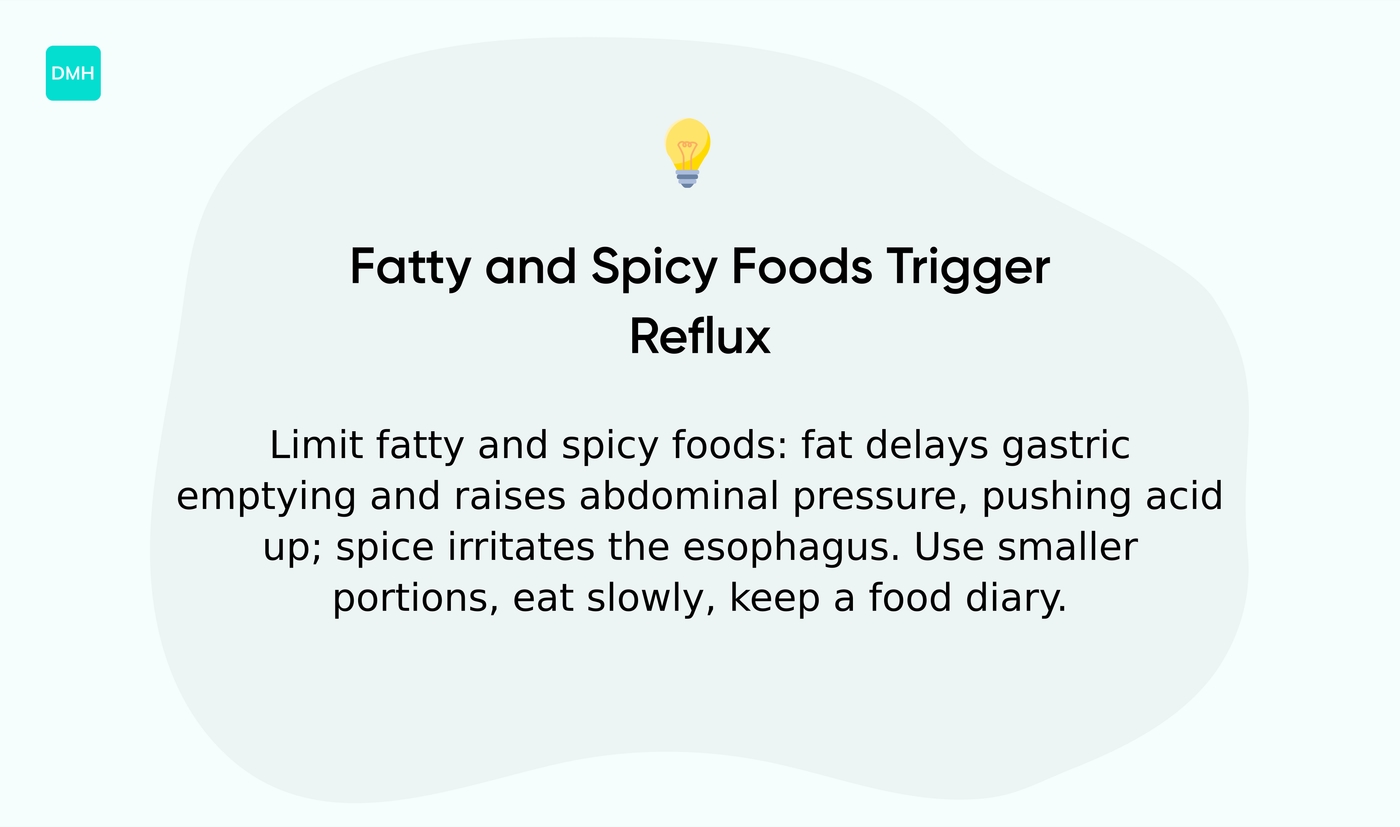
Limiting fatty foods and spicy foods lowers reflux frequency and reduces symptom severity. Fat slows digestion and raises stomach pressure, while spice can irritate the esophageal lining directly.
Fatty meals delay gastric emptying and increase abdominal pressure for longer periods after eating. That pressure pushes acid through the lower esophageal sphincter, explaining what causes acid reflux episodes for many people.
For example, a greasy burger with fries can sit in your stomach for hours, creating prolonged pressure.
Spice irritates the esophagus and can trigger extra acid production after meals. Ever notice heartburn after hot wings or spicy curry?
A food diary reveals your personal triggers and helps you avoid flare-ups.
We advise smaller portions, slower eating, and avoiding late heavy meals. See foods to avoid after endoscopy for more guidance, and cut greasy servings by half before bedtime.
Does caffeine make acid reflux worse
Caffeine can make acid reflux worse by relaxing the LES and raising stomach acid levels. That lets stomach contents flow back into the esophagus and causes heartburn.
This explains what causes acid reflux for many coffee lovers.
We recommend a two-week caffeine test to track your symptoms. Caffeine appears in coffee, tea, many energy drinks, and chocolate, so check labels carefully.
(Yes, even that afternoon chocolate bar can trigger symptoms.)
Cutting intake helps most people. Try reducing caffeine for two weeks and log your reflux episodes in a simple notebook.
If you take medicines after coffee, read how long after drinking coffee can I take medicine? to time doses safely.
How does alcohol contribute to acid reflux
Avoiding excess alcohol reduces reflux noticeably. Alcohol weakens the lower esophageal sphincter and can increase stomach acid production.
That lets acid flow back into the esophagus and worsens heartburn and GERD signs.
Beer, wine, and spirits trigger reflux when you drink heavily or just before bed. If you wonder what causes acid reflux, alcohol and LES dysfunction rank high on the list.
Alcohol also slows gastric emptying and reduces saliva that normally soothes acid.
Limit drinks and skip alcohol within three hours of sleep. Track your triggers and cut intake if symptoms rise.
If you use alcohol to relax before bedtime, try herbal tea and better sleep habits instead. See your clinician if reflux persists despite lifestyle changes.
Lifestyle factors that cause acid reflux
Can smoking cause or worsen acid reflux
Smoking worsens acid reflux and raises GERD risk through multiple pathways. It damages the lower esophageal sphincter and alters normal defenses.
| Effect | How It Worsens Reflux |
|---|---|
| Weaken the LES | Tobacco smoke lowers LES pressure so stomach acid flows back into the esophagus |
| Reduce saliva production | Smoking cuts saliva that neutralizes acid after reflux and slows acid clearance |
| Impair reflexes | Smoke blunts esophageal muscle reflexes that push acid back into the stomach |
Smoking ranks among common acid reflux triggers. It also slows healing and increases inflammation of the esophagus.
Studies show higher reflux symptoms among smokers compared with non-smokers, and the difference is substantial.
I’d say quitting smoking is one of the most effective lifestyle changes you can make to reduce reflux episodes. Talk to your doctor about nicotine replacement, behavioral support, or prescription aids.
Expect symptom improvement within weeks to months after you stop.
Why do I get acid reflux after eating
Eating smaller meals slowly reduces what causes acid reflux and lowers reflux frequency. Start by cutting plate sizes in half for one week to see if symptoms drop.
This usually comes from large meal portions, rapid eating, and increased stomach pressure, which force acid back into the esophagus. A relaxed lower esophageal sphincter or lower esophageal sphincter dysfunction makes this flow easier.
For instance, wolfing down a huge dinner in 10 minutes can double your reflux risk.
Delayed gastric emptying, obesity, and some medications increase stomach volume and pressure, raising reflux risk after meals. Rapid eating can double reflux episodes in some study reports.
Simple habits stop most attacks. Try halving portions, chew slowly, pause between bites, skip fatty or spicy triggers, avoid lying down for two hours, and raise your head six inches while sleeping.
Sound like a lot? Pick just one habit to start.
What causes acid reflux at night
Elevating your head and avoiding late meals reduces nighttime acid reflux effectively. Gravity normally keeps stomach acid down during the day.
Lying flat removes that help, so acid more easily flows into the esophagus.
We advise raising the bed head 6 to 8 inches and stopping eating at least two hours before bed. What causes acid reflux at night is a full stomach that increases abdominal pressure combined with a relaxed lower esophageal sphincter.
Sleep position matters more than you’d think. Lying on the right side often worsens reflux, while the left side lowers episodes in many people.
Tilted sleep and weight loss reduce pressure on the stomach. If you need tips for discomfort at night, read how to get rid of stomach ache when trying to sleep.
Try elevating the head of the bed and delaying meals for two weeks, then note symptom changes in a simple log.
Read also: Sore Throat Allergies: What you need to know
Which medications can trigger acid reflux
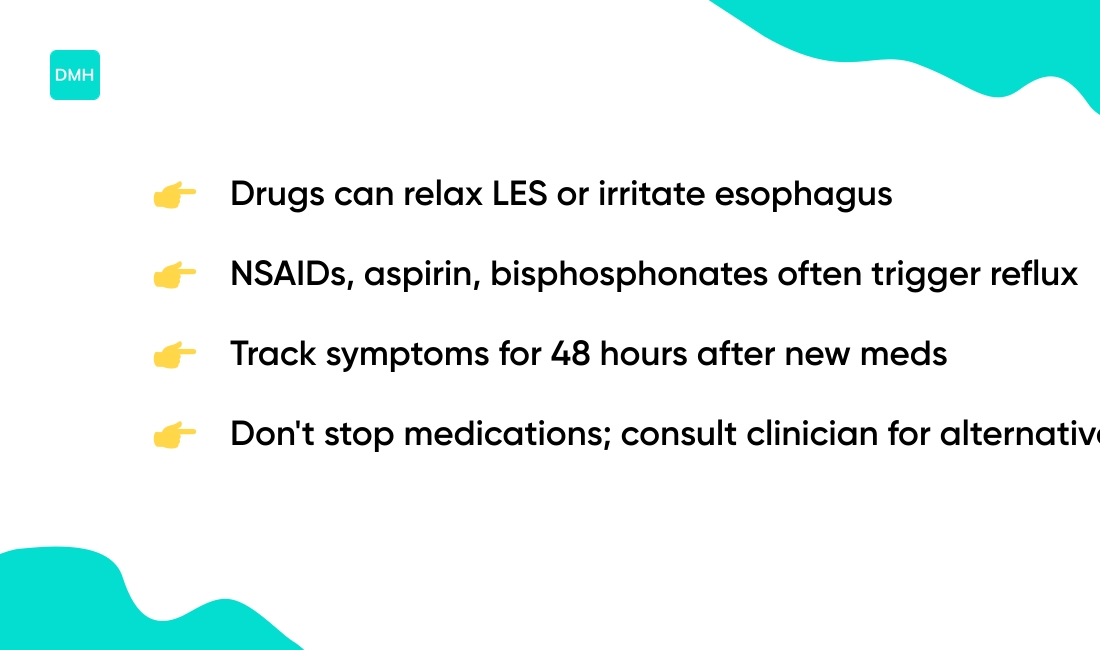
Ask your clinician to review medications that can trigger acid reflux. Some drugs relax the LES or irritate the esophagus directly, which allows stomach acid to flow back up.
Common culprits include NSAIDs, aspirin, and bisphosphonates. Other offenders include calcium channel blockers and nitrates used for heart conditions.
Certain antibiotics like doxycycline and mineral supplements can injure the esophagus as well.
These meds explain part of what causes acid reflux for many people. We recommend tracking symptoms for 48 hours after starting new medicines.
A simple medication diary finds triggers fast. (Just jot down the med name, dose time, and any symptoms within a few hours.)
If pills cause bad taste or reflux, read tips on bitter taste from medicine. Do not stop prescriptions without medical advice.
Ask your clinician for alternatives or dosing changes instead. Report severe chest pain or breathing trouble immediately.
Read also: Can Allergies Cause Laryngitis
How to prevent acid reflux through lifestyle changes
Preventing acid reflux starts with changing diet, meal timing, weight, and sleep position. Understanding what causes acid reflux helps you target a weak lower esophageal sphincter and excess stomach pressure.
Here are practical steps you can start today:
- Avoid spicy, fatty foods, caffeine, and alcohol; see get rid of heartburn easily for quick relief tips
- Eat smaller meals and chew slowly—aim for at least 20 chews per bite
- Stop eating 2 to 3 hours before bed to let your stomach empty
- Elevate the head of your bed by 6 inches using blocks or a wedge pillow
- Aim for 5–10% weight loss if you’re overweight
- Quit smoking because it weakens the LES and lowers saliva that neutralizes acid
- Review medications that can trigger reflux, including some NSAIDs and blood pressure drugs
Limiting late meals gives fast relief for most people. Studies show losing 5–10% of body weight can cut reflux episodes by about 40% in observational research.
If you find change hard, start with one habit for two weeks and track symptoms in a simple diary.
Measure frequency and severity of your episodes. Share results with your clinician for targeted treatment.
Gastroparesis slows stomach emptying and raises reflux risk, so report persistent symptoms to your doctor. Keep a symptom log for four weeks to get meaningful data.
Ready to take control of your reflux? Pick one change from the list above and commit to it for two weeks—you might be surprised how much better you feel.
Read also: When To Go To The Hospital For Chest Pain